Latest Maps Near Isle of Wight County
VIMS jellyfish map for today, Isle of Wight County
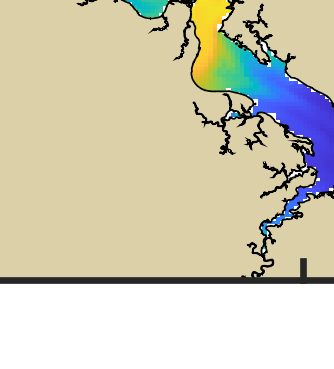
 Low
Low
NOAA James River jellyfish map for today, Isle of Wight County
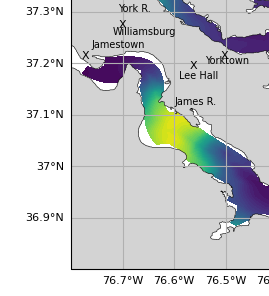
 Low
Low
Recent Trend in Isle of Wight County
About the same as yesterday (72%). Over the last week or so, this spot has usually read heavy.
Isle of Wight County Jellyfish Conditions
For Isle of Wight County, jellyfish look heavy today. The latest NOAA James River reading puts the median chance at 68%. Tomorrow looks heavy, around 65%. The five-day VIMS outlook looks lower, around 15%.
Jellyfish look more likely here than in many Virginia spots today. Jellyfish can vary here, so today's map matters more than a rule of thumb. For this page, we check James River and Hampton Roads using NOAA James River plus VIMS broad map.
Popular beach and water-access searches around Isle of Wight County include Ragged Island Wildlife Management Area. People often check this page for searches like Isle of Wight County jellyfish report, Ragged Island Wildlife Management Area jellyfish, and James River and Hampton Roads jellyfish conditions.
Popular Beaches and Water Access in Isle of Wight County
- Ragged Island Wildlife Management Area on James River: James River and lower bay-side access area useful for Isle of Wight jellyfish and river condition searches.
Nearby Jellyfish Reports
If you are deciding where to go, these nearby Virginia reports are worth checking too.
- Suffolk jellyfish report
- Surry County jellyfish report
- Newport News jellyfish report
- Portsmouth jellyfish report
The maps above are the latest VIMS and NOAA guidance we have for this area. We save each day's reading so this report can get more useful over time.
About James River jellyfish
On the James, sea nettles concentrate in the lower river and around Hampton Roads in mid and late summer, where the water is saltier. The upstream reaches toward Richmond usually stay too fresh for heavy nettles. Watch the lower-river beaches most closely once summer heat sets in.
Beach Bag Sting Kit
A few simple items make a jellyfish sting easier to handle and less likely in the first place. Here is what we suggest keeping in the beach bag during sea nettle season.
- Sting relief gel: A small tube of after-sting gel to soothe the burn and itch once you are out of the water. Check price
- Small bottle of vinegar: Handy for travel to tropical beaches where local guidance calls for it, though it is not a clear win for bay sea nettles. Check price
- Rash guard: A long-sleeve swim shirt covers skin that sea nettles would otherwise reach, cutting down on stings. Check price
- Water shoes: Protect your feet from stings and shells in the shallow water where jellyfish can drift near the bottom. Check price
- Tweezers and first-aid kit: Fine tweezers let you lift off stuck tentacles safely instead of using bare fingers. Check price
- Reef-safe sunscreen: Round out the beach bag with sunscreen that is easier on the water you are swimming in. Check price
This site may earn a commission from qualifying purchases made through these links, at no extra cost to you.
Isle of Wight County Jellyfish FAQ
Are there jellyfish in Isle of Wight County today?
The latest reading for Isle of Wight County shows heavy jellyfish conditions, a 68% median chance as of 2026-07-09.
Where can you swim in Isle of Wight County?
Popular swimming and water access spots in Isle of Wight County include Ragged Island Wildlife Management Area.
When are jellyfish worst in Isle of Wight County?
Jellyfish can vary here, so today's map matters more than a rule of thumb. In Virginia and the Chesapeake Bay, jellyfish are typically most common from mid-summer through early fall, when the water is warmest.
Source maps are model guidance from VIMS and NOAA/NCCOS. They are useful for a quick beach check, but they do not count jellyfish in the water and may not match conditions at every shoreline.